Language adaptation, also referred to as language localization, involves promoting a product, service, or brand across different countries, languages, and cultures in a way that feels local to each audience. Marketing concepts are the same globally, but they must be applied differently in international marketing to be most effective.
On their domestic market, companies use the controllable elements of a marketing strategy (product, price, place, and promotion, the 4 Ps of marketing) to achieve their business goals. They also manage uncontrollable macro-environmental factors, often referred to as PESTEL (Political, Economic, Social, Technological, Environmental, and Legal), but they do so within the framework of well-known domestic economies.
In the international market, however, companies have the same controllable elements at their disposal but also face a large number of uncontrollable variables that are mostly unknown. These elements can be additionally difficult to grasp or predict because they depend on local customer behavior, competition, the legal environment, government regulations, and business incentives, as well as other factors that create uncertainty and volatility in international trade, like conflicts, tariffs and trade agreements, and currency fluctuation. Moreover, there are additional considerations like the availability of skilled workers, staff training potential, infrastructure, supply chain, and time to market, among many others, that companies must evaluate when operating in different countries.
These are challenges that every company with a worldwide presence or involved in import and export activities faces regularly. However, they may pose a daunting barrier to entry for a new company looking to expand to new markets for the first time. This is where an experienced marketing team and a strong plan make the difference in navigating the complexities of international sales smoothly and confidently.
How Language Adaptation Shapes Consumer Trust in New Markets
To successfully penetrate new markets, offering customers high-quality content in their language is the ultimate user experience. Studies show that 76% of customers are more likely to buy a product with information in their language, and 40% will not buy from websites in other languages. Language localization in marketing not only helps build trust with local audiences and increase engagement and conversions, but it can also help avoid costly PR mistakes.
Unlike a direct translation, which converts words from one language to another in a more literal way, language localization adapts the language, tone, humor, and references to the country’s cultural background. Successful language adaptation takes values, communication style, formality levels, social norms, holidays and traditions, gender roles, family structures, and other key cultural aspects into consideration, making content feel more native and natural to the target audience. Relying on mere translations is one of the fastest ways that successful brands fail when entering new markets.
As of 2025, the 10 languages most frequently used for web content are English, Spanish, German, Japanese, French, Portuguese, Russian, Italian, Dutch / Flemish and Polish. Therefore, businesses with content in those languages have access to a larger share of the market and are better equipped for exporting.
Since companies that do not localize the buying experience risk losing 40% or more of their potential market, businesses looking to enter a new market can gain a competitive edge by ensuring that their marketing team is equipped to speak to their target market in their native language.
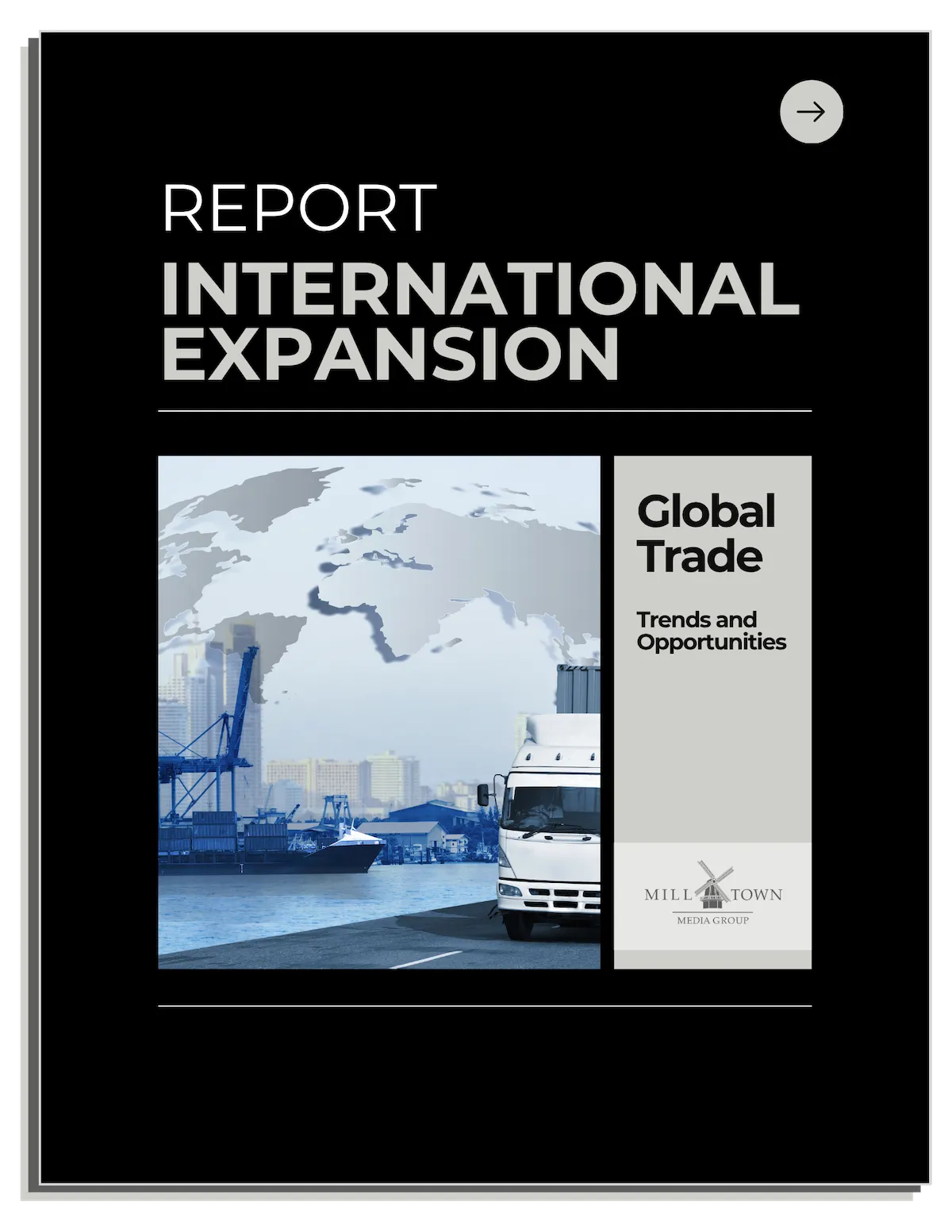
Breaking Boundaries: Diverse Paths to New Market Entry
There are different ways that a company can expand its global reach. It can export through a subsidiary or franchise agreement or by moving its production to the new country, either independently or through a joint venture. A company can also send its sales force to visit other countries to meet with clients and close sales. To enhance the customer experience, boost conversion rates, and increase customer retention, it may decide to have its salespeople travel to provide before- and after-sale support as well.
There are also indirect methods like selling to a foreign or domestic buyer who purchases its products or services for export. In this scenario, the company is able to reach new countries with minimal risk and complexity. Using international agents, local importers, and local distributors are also viable options to penetrate a new market.
Another alternative to reaching new markets is through an export consortium, where a group of smaller businesses with complementary products collaborate to export, or by partnering with another manufacturer that has already established distribution channels or subsidiaries in foreign markets. Attending expos and trade shows can provide excellent opportunities to find partners and distributors as well as establish an initial presence in a new country.
Companies can use some or all of these approaches simultaneously to penetrate markets in different countries. The selection of one or another method depends both on internal factors, like company strategy, resources, knowledge, and experience in international markets, as well as external factors related to competition, the characteristics of each market, the barriers of entry and cost of customs, subsidies and incentives, and especially the cultural difficulties and risks associated with each market.
Digital Marketing Mastery through Language Adaptation
Regardless of which of these forms of entry a company chooses, a fast and cost-effective way to gain initial access to new markets is to leverage the internet and e-commerce. A strong and active online presence adapted to the target market’s language provides international exposure without the need for intermediaries. This online presence does not need to include a company’s full offering. It can start with a single product launch or just a few select services and expand over time.
This gives the company the ability to gauge demand and refine operational aspects such as payment methods and delivery logistics later. The payment and distribution can be coordinated on the same online platform, such as an online store, or through traditional channels, allowing for cost savings, flexibility, and scalability.
Internet marketing and online shopping give consumers instant access to the product catalog 24/7, from the comfort of their own home, and in their native language. A huge advantage of the digital world is that business owners can have a website in different languages without the need to speak them. Interacting with clients in other languages is also possible through customer service tool add-ons, like a chatbot or AI assistant. This allows companies to have a basic online presence to expand abroad while they develop their own international sales force or team of bilingual customer service representatives.

Navigating Global Markets: The Ideal Marketing Team
A key marketing challenge for companies operating in multiple countries is keeping a consistent overall brand identity that is recognizable by consumers worldwide while still allowing for adjustment of the communication and storytelling to resonate with each individual market. For this reason, a strong team will keep a central brand framework and build localized campaigns that draw from it but are adapted to each target audience.
Your international marketing team should include native speakers that not only have the language skills to create multilingual content but also the cultural intelligence to be attuned to country-specific nuances and keep up with local trends. Different cultures can often exist within a single country. Being able to distinguish them is essential to ensure the right messaging is conveyed and that it is well received by each audience. Beyond language, your team’s understanding of local culture positively affects other areas of business. For example, it can facilitate collaboration with local partners like suppliers and distributors or help shape sales strategies.
Your team should also coordinate with other teams like sales, product, logistics, and legal to craft a well-defined international marketing plan that ensures all marketing efforts align with company goals and timelines. It should also have strong market research and analytics capabilities to make data-driven decisions as well as segment and prioritize markets strategically to maximize impact. Overall, a strong international marketing team must possess the right mix of skills in marketing, linguistics, psychology, and global and local awareness.
Our boutique marketing agency stands out by offering comprehensive bilingual content marketing and language solutions in English, French, and Spanish. We do not simply translate; we carefully craft content in different languages, a technique often referred to as transcreation, ensuring that the message conveyed remains faithful to a brand’s essence. This is an important distinction from the automated translation functionality often used in other multilingual solutions, which can significantly lower the quality of the content and ultimately be detrimental to a business’ image as it tries to enter new markets.
Further to our content solutions, our turnkey website templates include bilingual website, e-store, and product launch options to facilitate international expansion while saving time and money. Our websites are created on a flexible platform that allows the inclusion of add-on functionalities like a chatbot, which can be programmed with high-quality content to interact with your visitors in their native language. As consumers prefer to receive information in their language, this feature can help significantly boost conversions by effectively and immediately answering customer inquiries across time zones.
As a full-service digital marketing agency, we are the perfect partner for any American business looking to export abroad as well as any foreign company looking to enter the US market. From marketing collateral to attend an expo or trade show to hosting a webinar or online conference in different languages, our wide range of event marketing and digital as well as offline marketing services are designed to help businesses reach new markets quickly and effectively.
International marketing should not be considered as an add-on but rather an integral part of a successful brand strategy. By choosing us as your provider for your international marketing needs, you can streamline your efforts while enhancing your brand’s image as you expand into new countries.
Book a consultation to explore how we can support your international marketing strategy and help you achieve your global ambitions!